


Camera Drone Mastery: Effortless Tips for Stunning Shots
Camera Drone Mastery: Effortless Tips for Stunning Shots
Camera drone mastery can elevate your aerial photography game to new heights, literally and figuratively. Drones have transformed the way we capture images and videos, offering unique perspectives that were once only the realm of filmmakers and adventurers. Whether you’re a seasoned professional or a weekend enthusiast, mastering your drone can lead to breathtaking visuals that captivate your audience. In this article, we will explore several tips that will help you make the most of your camera drone, ensuring your shots are not only stunning but also tell a compelling story.
Understanding Your Drone
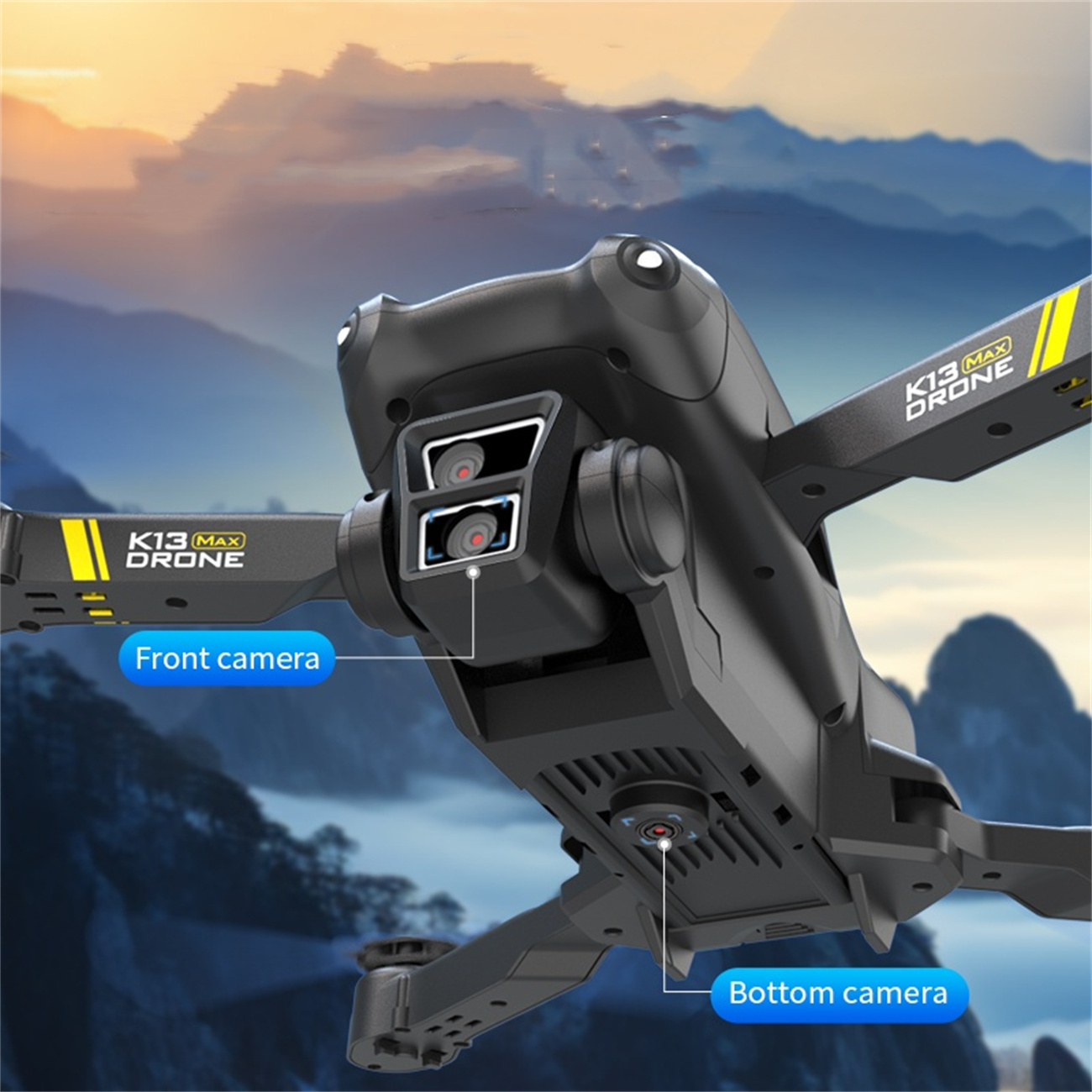
Before you take to the skies, it’s essential to understand your drone’s features and capabilities. Familiarize yourself with its controls, camera settings, and operating software. Each drone model has different specifications, affecting factors like flight time, camera resolution, and stability. Mastery begins with knowledge; understanding what your drone can do allows you to push its limits while maintaining control.
Key Features to Focus On
– Camera Quality: High-quality sensors and lenses will contribute to better image clarity and detail. If your drone allows, shoot in RAW format to preserve quality during editing.
– Stability Mechanisms: Features like GPS, altitude hold, and gimbals help in maintaining steady shots, even in windy conditions.
– Battery Life: Understanding flight duration will help you plan your shoots better and avoid sudden landings.
Mastering Aerial Composition
Camera drone mastery isn’t just about technical specifications; it also involves mastering composition. A well-composed shot can make a world of difference in your storytelling. Here are several key principles to consider:
Rule of Thirds
Using the rule of thirds can significantly enhance your shots. Imagine your frame divided into nine equal sections by two vertical and two horizontal lines. The focal points of your images should ideally align with these lines or their intersections, creating a balanced and interesting composition.
Leading Lines
Incorporate natural lines in your environment. Rivers, roads, and trails can guide the viewer’s eye through the photograph, making it more engaging. Look for patterns and paths that create depth and invite exploration.
Elevation
One of the unique benefits of aerial photography is the ability to capture landscapes from above. Higher vantage points can reveal patterns and shapes that may not be visible at ground level. Experiment with different altitudes to discover the best perspectives for your subject.
Leveraging Natural Light
Lighting is one of the most crucial elements in photography, and this is no different when it comes to camera drone mastery. Drones allow for unique opportunities to capture light in various ways.
Golden Hour Magic
Early morning and late afternoon—often referred to as the “golden hour”—provide the best natural lighting conditions. The soft, warm tones during these times not only enhance colors but also add a magical quality to your images.
Avoiding Harsh Midday Sun
Shooting in the harsh midday sun can lead to overexposed images with stark shadows. If you must shoot during these hours, consider using filters to manage exposure and saturation. A polarizing filter can reduce glare and help you achieve richer colors.
Editing Your Shots
Post-processing is where you can take your drone shots from good to stunning. Learning basic editing skills can greatly improve your final images.
Software Options
There are numerous software options available for editing drone footage. Programs like Adobe Lightroom and Photoshop can help enhance color, contrast, and clarity. If you’re working with video, tools like Adobe Premiere Pro or Final Cut Pro are excellent choices.
Keep It Natural
While editing allows for creative freedom, aim to keep your alterations looking natural. Over-editing can distract from the shot’s original beauty. Fine-tuning brightness, contrast, and saturation while preserving the natural tones will yield better results.
Safety and Regulations
Lastly, remembering safety and regulatory guidelines is essential for responsible drone flying. Many areas have specific rules regarding where and when you can operate drones. Always check local regulations, and be mindful of no-fly zones, especially near airports or crowded spaces.
Respect Privacy
Avoid flying over private property without permission, and always be respectful of people’s privacy. Responsible flying not only protects your right to fly but also contributes to a positive perception of drone use within communities.
Final Thoughts
Camera drone mastery is an exciting journey filled with endless opportunities for creativity and adventure. With an understanding of your drone’s capabilities, a keen eye for composition, and an appreciation for natural light, you can capture breathtaking imagery that resonates with viewers. The tools and tips discussed in this article are just the beginning. As you practice and experiment, you will likely discover your unique style and preferred techniques, allowing you to take your drone shots to new heights. Happy flying!
Leave a Reply